


Mastering Your Pump: How Often Do You Pump When Breastfeeding?
Pumping frequency, schedules, and strategies for more milk
Wondering how often do you pump when breastfeeding? This guide offers expert tips on creating a pumping schedule, boosting supply, and ensuring your baby thrives. Learn to pump effectively!
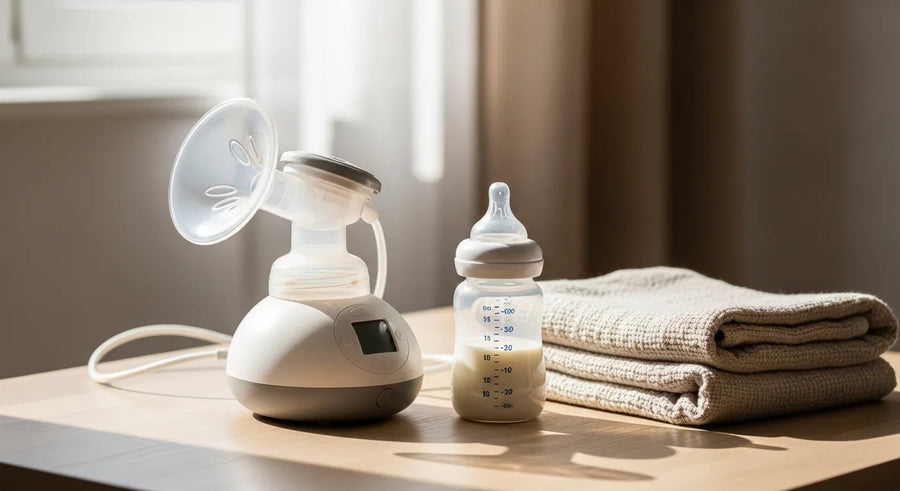

What you'll learn in this guide:
Table of Contents
- Introduction
- The Foundation of Milk Production: Supply and Demand
- When to Start Your Pumping Journey
- Crafting Your Pumping Schedule: How Often and How Long?
- Boosting Your Output: Strategies for Success
- How Much Milk Should You Aim For?
- Is Your Baby Getting Enough Milk? Signs to Watch For
- Nourishing Your Journey: Milky Mama Support
- The Importance of Self-Care and Support
- FAQ
- Conclusion
Introduction
As a new parent, the journey of breastfeeding can feel like a beautiful dance between intuition and a thousand questions. One moment you’re marveling at your baby’s perfect latch, and the next, you’re wondering how to navigate separations, build a milk stash, or support your supply. While breasts were literally created to feed human babies, the path to providing that liquid gold doesn't always come naturally, and that’s perfectly okay. Many of us find ourselves reaching for a breast pump, a powerful tool that offers flexibility, maintains supply, and empowers us to meet our little one’s needs even when we can't be together.
Perhaps you’re returning to work, your baby needs to spend time in the NICU, or you simply want the freedom to step away for a bit while ensuring your baby still receives the nourishing benefits of breast milk. Whatever your reason, understanding the rhythm of pumping is crucial. One of the most common questions we hear is, "How often do you pump when breastfeeding?" It’s a question that reflects a desire to do everything right for your baby, and we’re here to tell you, you’re doing an amazing job just by asking.
This comprehensive guide from Milky Mama is designed to be your supportive companion, walking you through the ins and outs of establishing and maintaining your milk supply with a pump. We’ll dive into the foundational principles of milk production, help you craft a pumping schedule tailored to your unique circumstances, and share practical, evidence-based strategies to make your pumping journey as efficient and comfortable as possible. Our goal is to empower you with knowledge, offer realistic expectations, and validate your experiences, ensuring you feel confident and supported every step of the way.
The Foundation of Milk Production: Supply and Demand
At the heart of successful lactation lies a beautiful, biological principle: supply and demand. Simply put, the more milk that is removed from your breasts, the more milk your body will produce. Conversely, if milk is not removed regularly, your body receives a signal to slow down production. This is why consistency and thorough milk removal – whether through nursing or pumping – are paramount to building and maintaining a healthy milk supply.
Think of it like this: your breasts are constantly evaluating how much milk is being used. When milk is regularly and effectively removed, your body understands that there's a baby (or a pump!) demanding that precious nourishment, and it ramps up production to meet that demand. When milk lingers in the breasts for too long, a natural feedback inhibitor in the milk signals the body to slow down, reducing your supply over time.
It’s a common misconception that breasts can be completely "empty." While they may feel softer and less full after a feed or pump session, breasts are always making milk. There’s always a reserve, and the goal of emptying them isn't to get them truly empty, but rather to send that strong signal to your body to continue producing more. This understanding is foundational to successful pumping; it’s about consistent communication with your milk-making machinery.
When to Start Your Pumping Journey
Deciding when to introduce pumping into your breastfeeding routine is a personal decision that often depends on your specific circumstances and goals. There isn’t a one-size-fits-all answer, but understanding the various scenarios can help you make an informed choice that feels right for you and your baby.
Initiating Pumping in the Early Days (0-4 Weeks)
For many birthing parents, the first few weeks postpartum are a delicate dance of establishing direct breastfeeding, fostering that unique bond, and allowing your body to regulate its milk supply naturally. In these early days, skin-to-skin contact and frequent nursing sessions (often 8-12 times in 24 hours) are usually the primary drivers for building a robust supply. Because of this, many lactation experts suggest holding off on regular pumping for the first 4-6 weeks if direct breastfeeding is going well, to allow your body and baby to get into their natural rhythm. Introducing bottles too early can sometimes interfere with a baby’s ability to latch effectively at the breast.
However, there are critical exceptions where early pumping is not just recommended, but often essential:
- NICU Stays or Hospital Separations: If your baby is premature, has special health needs, or is separated from you for any reason immediately after birth, initiating pumping as soon as possible (ideally within the first hour) is crucial. This early milk removal signals your body to "turn on" milk production and establish a supply, even if your baby can't nurse directly. In these situations, your pump becomes your baby’s stand-in at the breast, and every drop counts.
- Difficulty with Latch or Transfer: If your baby is struggling to latch or isn't effectively transferring milk, pumping can help protect your supply while you work with a lactation consultant to improve nursing. This ensures your baby receives enough milk and prevents engorgement or a drop in your supply.
- Engorgement Relief: In the first few days or weeks, as your milk comes in, you may experience engorgement – breasts that are overly full, hard, and sometimes painful. Pumping just enough to relieve pressure can be incredibly helpful and make it easier for your baby to latch. Be careful not to pump too much during these times, as it can inadvertently tell your body to make more milk than your baby needs, exacerbating engorgement.
For those facing these challenges, our team at Milky Mama offers compassionate virtual lactation consultations to provide personalized guidance and support from an International Board-Certified Lactation Consultant (IBCLC).
Pumping for Return to Work or Occasional Separation
If you’re planning to return to work, go back to school, or simply want the freedom to leave your baby with a caregiver, starting to pump a few weeks before the separation can be incredibly beneficial. We often recommend beginning 2-3 weeks beforehand. This timeframe allows you to:
- Practice with Your Pump: Get comfortable with your equipment, learn how to assemble, use, and clean it, and discover what settings work best for you.
- Build a Small Stash: You don’t need a massive freezer full of milk, but having enough for a few days can alleviate stress. This buffer ensures your baby has milk even if you have a lower-than-expected pumping session.
- Introduce Bottles: This gives your baby time to adjust to feeding from a bottle with a caregiver while still primarily nursing from you. Remember to practice "pace feeding" when offering a bottle to mimic the flow of breastfeeding and prevent overfeeding.
This preparatory period helps smooth the transition and builds confidence for both you and your baby.
Crafting Your Pumping Schedule: How Often and How Long?
The question of "how often do you pump when breastfeeding" is central to maintaining your supply. The answer largely depends on your goals and your baby's age and feeding habits. The golden rule, regardless of your specific situation, is to mimic how often your baby would normally nurse.
Establishing Supply: Exclusively Pumping or Pumping for a Newborn
If you are exclusively pumping, meaning your baby receives all their milk via a bottle, or if you're pumping to establish a robust supply for a newborn who isn't nursing effectively, frequency is your best friend. Newborns typically nurse 8-12 times in a 24-hour period. To establish and maintain a strong milk supply, you'll want to aim for a similar frequency:
- Pump every 2-3 hours during the day, and at least once during the night. This means roughly 8-12 pumping sessions within 24 hours.
- Night Pumping is Crucial: It might be tempting to skip those middle-of-the-night sessions for extra sleep, but nighttime pumping is particularly important, especially in the early weeks. Your body’s prolactin levels (the hormone primarily responsible for milk production) are naturally highest in the wee hours of the morning. Pumping during this time sends a powerful signal to your body to produce more milk, helping to build and protect your overall supply.
- Duration: Aim for 15-20 minutes per session, or until your breasts feel noticeably softer and drained. Remember, you're never truly "empty," but feeling drained indicates effective milk removal. Some moms, especially in the early days or if they have a slower letdown, might need 25-30 minutes. Consistency in emptying your breasts is more important than the exact volume you get in any single session.
This demanding schedule is often temporary. As your supply establishes, and your baby grows, many exclusively pumping parents can gradually reduce the number of daily sessions while maintaining their supply. You’re doing an amazing job by dedicating yourself to this process!
Pumping While Breastfeeding (Building a Stash or Supplementing)
For moms who primarily breastfeed but want to pump for an occasional bottle or to build a freezer stash, the timing of your pumping sessions can be a bit more flexible. The key is to add pumping sessions between or immediately after nursing, ensuring you don't take away milk that your baby needs for their next feed.
- After Morning Feed: Many moms find their milk supply is most abundant in the morning. Pumping 30-60 minutes after your baby’s first nursing session of the day can often yield the most milk. As pediatrician Lauren Crosby, M.D., F.A.A.P., notes, "Moms tend to have the most milk in the morning, so pumping right after the baby’s first feed may prove worthwhile."
- Between Feeds: If your baby is on a somewhat predictable schedule, you can try pumping about an hour after a nursing session and at least an hour before the next one. This gives your body time to replenish milk for your baby while also getting a pumping session in.
- Pump One Side While Nursing the Other: Once you and your baby are experienced and comfortable with both nursing and pumping, some moms find it efficient to pump one breast while their baby nurses from the other. This ensures both breasts are stimulated and emptied, maximizing your time.
- At the End of Nursing Sessions: You can also add a short 5-10 minute pumping session after your baby has finished nursing, especially if they only fed from one breast or if you want to ensure complete drainage and further signal milk production.
Aim for 1-3 extra pumping sessions a day, depending on how quickly you want to build your stash. Remember, your well-being matters too. Don’t overtax yourself to build an enormous freezer stash; a few days’ worth of milk is often more than enough.
Pumping for Older Babies and Return to Work
Once your baby is older (say, 3 months and up) and your milk supply is well-established, their feeding frequency might naturally decrease. If you’re separated from your baby, such as when returning to work, your pumping schedule should ideally mirror their feeding schedule.
- Match Baby's Schedule: If your baby typically feeds every 3-4 hours, aim to pump every 3-4 hours while you're away. For an average 8-hour workday, this often translates to 2-3 pumping sessions. For example, a mid-morning, lunch, and mid-afternoon session.
- Duration: Continue to pump for 15-20 minutes per session, or until your breasts feel soft and well-drained.
- Communication with Caregivers: Ensure your baby's caregiver understands how to pace feed with a slow-flow nipple. This prevents your baby from overeating while you’re away and helps ensure their demand aligns with your supply.
What Happens If You Miss a Pumping Session?
Life with a baby is unpredictable, and missing a scheduled pumping session happens to the best of us! Don't panic.
- Short-Term Effects: Missing one or two sessions typically won't dramatically impact your overall milk supply, especially once it's established. However, you might experience discomfort, engorgement, or even leaking due to your breasts becoming overly full. Try to pump as soon as you can to relieve the pressure and send that demand signal to your body.
- Long-Term Effects: Consistently skipping multiple pumping sessions over an extended period can lead to a gradual decrease in your milk production. Your body will interpret the lack of milk removal as a sign that less milk is needed.
Remember, every drop counts, but one missed session doesn't derail your entire journey. Be kind to yourself, and just get back on track when you can.
Boosting Your Output: Strategies for Success
If you're looking to increase your milk supply, or simply make your pumping sessions more productive, there are several effective strategies you can incorporate.
Power Pumping for Supply Boost
Power pumping is a technique designed to mimic the "cluster feeding" patterns of babies, which naturally signals your body to increase milk production. It's an intensive, short-term tool that can be highly effective for many moms, but it's not meant to be a long-term practice for everyone. If you’re already producing enough milk, you likely don’t need to power pump.
Here’s a common power pumping schedule, typically done once a day for about an hour:
- Pump for 20 minutes
- Rest for 10 minutes
- Pump for 10 minutes
- Rest for 10 minutes
- Pump for 10 minutes (to finish the hour)
If you don't have a full hour, you can try two 30-minute sessions with a similar pattern: pump for 10 minutes, rest for 5, pump for 5, rest for 5, then pump for another 5 minutes.
It's important to set realistic expectations; you might not see a significant increase in milk immediately during the power pumping session itself, and it can take a few days to a week to notice a difference in your overall supply. Consistency with power pumping (e.g., doing it daily for several days) is key to signaling your body to produce more milk.
Optimizing Your Pumping Experience
Beyond the schedule, the actual experience of pumping can greatly influence your output.
- Comfort and Relaxation: Your letdown reflex (the release of milk from your breasts) is influenced by hormones like oxytocin, which can be inhibited by stress or tension. Find a quiet, comfortable space where you can relax. Some moms find it helpful to look at pictures of their baby, listen to their baby's sounds, or even watch videos of them. The simple act of "thinking baby thoughts" can trigger your letdown. A warm compress before pumping can also encourage milk flow.
- Hydration and Nutrition: Staying well-hydrated is fundamental to maintaining a healthy milk supply. Keep a water bottle handy and sip throughout the day. Eating a balanced diet also supports your overall health and energy, which indirectly benefits your milk production. Our lactation drinks like Pumpin Punch™, Milky Melon™, and Lactation LeMOOnade™ are designed to offer both delicious hydration and lactation support.
- Hands-On Pumping: Massaging and compressing your breasts while pumping can significantly increase milk yield and ensure more complete drainage. This technique can stimulate additional letdowns and move milk from deeper milk ducts.
- Choosing the Right Equipment: A good quality pump suited to your needs is essential. Perhaps the most critical aspect of equipment is ensuring you have the correct flange size. Your nipple should fit comfortably in the center of the flange tunnel, moving freely without rubbing against the sides. If the flange is too small, it can compress milk ducts; if too large, it won't provide adequate suction. An incorrect flange size can lead to discomfort, nipple damage, and reduced milk output. It’s not uncommon for each nipple to require a different size, and sizes can change over time! We strongly recommend connecting with a lactation consultant to assess your flange fit. Milky Mama offers virtual lactation consultations to help you get this right.
- Hands-Free Pumping for Convenience: For busy parents, the ability to pump hands-free can be a game-changer. Wearable breast pumps, for example, offer incredible flexibility, allowing you to multitask while expressing milk. Look for features like built-in gentle warming plates, which can help promote milk flow and prevent clogs, and adjustable suction levels to customize your experience. These innovations are designed to make pumping less of a chore and more of an integrated part of your day.
- Pump Settings: Most electric pumps start with a "letdown" phase – shorter, faster suction cycles that mimic a baby’s initial rapid suckling to stimulate milk release. Once milk starts flowing, the pump typically switches to a slower, deeper suction "expression" phase. Start with a low suction level and gradually increase it only to your level of comfort. Pumping should never hurt; higher suction doesn't necessarily mean more milk!
Remember, breasts were literally created to feed human babies, and your body is capable of amazing things. Trust the process, and implement these strategies to help you reach your pumping goals.
How Much Milk Should You Aim For?
Understanding typical milk volumes can help you gauge your progress, but remember that individual needs vary. Don't compare your output to other moms; focus on what your baby needs.
Understanding Baby's Needs
- Newborns (0-1 Month): In the first few weeks, babies typically consume about 1 to 1.5 ounces (30-45 ml) of breast milk per feeding. If you're exclusively pumping for a newborn, aiming for roughly 2-3 ounces (60-90 ml) combined from both breasts per session is a good starting point, gradually increasing as your baby grows and your supply regulates.
- 1-6 Months: As your baby gets older, their stomach capacity increases, and their intake per feeding will rise. On average, babies in this age range consume about 3-5 ounces (90-150 ml) per feeding. If you are exclusively pumping, a general guideline is to aim for a total daily volume of about 25-35 ounces (750-1050 ml) of milk across 8-10 pumping sessions.
- 6 Months and Beyond: Once your baby starts solids, their breast milk intake may slightly decrease as they get more nutrition from food. Continue to watch your baby's cues and adjust your pumping output accordingly.
A useful rule of thumb to estimate your baby's daily milk needs (for babies up to 6 months who are exclusively milk-fed) is to multiply their weight in pounds by 2.5. For example, a 10-pound baby might need around 25 ounces of milk per day. Adjust your pumping schedule and output to meet these needs, keeping in mind that this is an average, and individual babies have individual needs. Every drop counts, and focusing on your baby's cues is always the best approach.
Is Your Baby Getting Enough Milk? Signs to Watch For
A common worry for breastfeeding and pumping parents is whether their baby is getting enough milk. It's a natural concern, but there are clear indicators that can offer reassurance.
- Consistent Weight Gain: This is one of the most reliable signs. After the initial weight loss in the first few days, a healthy newborn should regain their birth weight by around two weeks of age. Following that, most babies typically gain 4-7 ounces per week for the first few months. Your pediatrician will monitor this closely at well-baby visits.
- Adequate Wet and Dirty Diapers: What goes in must come out! By day five of life, your baby should have at least 6 wet diapers in 24 hours (with clear or pale yellow urine) and 3-4 dirty diapers (stools that are soft, seedy, and yellow). Fewer wet or dirty diapers can be a sign of insufficient intake.
- Contentment After Feedings: A baby who is receiving enough milk will generally appear satisfied and relaxed after a feeding. They might fall asleep at the breast or bottle, or seem calm and content. If your baby is fussy, still rooting, or seems hungry soon after feeding, it might be a sign they need more milk.
- Meeting Developmental Milestones: Beyond weight, overall growth, alertness, and hitting developmental milestones (like smiling, tracking objects, and holding their head up) are good indicators of adequate nourishment and healthy development.
If you have any concerns about your baby's intake or growth, please don't hesitate to reach out to your pediatrician or a lactation consultant. They can provide personalized assessment and support.
Nourishing Your Journey: Milky Mama Support
We know the breastfeeding and pumping journey can be demanding, and that’s why we’re here to offer support in every way we can. At Milky Mama, we believe in empowering you with education, compassionate assistance, and products designed to help you along the way.
-
Lactation Treats for a Delicious Boost: Sometimes, you just need a moment of self-care, and a delicious treat that also supports your milk supply can be a true lifesaver. Our lactation treats, like our best-selling Emergency Brownies or our variety of lactation cookies (from Oatmeal Chocolate Chip to Peanut Butter), are packed with ingredients traditionally known to support lactation. They're a convenient and enjoyable way to nourish your body and support your milk production.
-
Hydration with a Purpose: Lactation Drinks: Staying hydrated is non-negotiable for milk production, and our lactation drinks make it easy and delicious. Options like Pumpin Punch™, Milky Melon™, and Lactation LeMOOnade™ not only help you meet your fluid intake goals but also contain ingredients that may support lactation. Grab a drink sampler to find your favorite!
-
Herbal Lactation Supplements: For targeted support, our carefully formulated herbal lactation supplements may help address your specific needs. Each blend, such as Lady Leche™, Dairy Duchess™, Pumping Queen™, Milk Goddess™, Milky Maiden™, and Pump Hero™, is designed with specific goals in mind, such as boosting milk production or enhancing milk flow. We encourage you to explore our collection and find what may work best for you.Consult with your healthcare provider for medical advice. This product is not intended to diagnose, treat, cure, or prevent any disease.
-
Expert Guidance at Your Fingertips: Sometimes, what you need most is a conversation with an expert. Our virtual lactation consultations offer personalized, one-on-one support with an IBCLC, right from the comfort of your home. We also provide comprehensive online breastfeeding classes, including our popular Breastfeeding 101 course, to equip you with the knowledge and confidence to navigate your journey.
The Importance of Self-Care and Support
The reality of breastfeeding and pumping is that it requires immense dedication and energy. It's easy to get caught up in schedules, ounces, and output, but we want to remind you that your well-being matters just as much as every precious drop of milk. There will be good days and challenging days, and that's a normal part of the process. You deserve support, not judgment or pressure, and it's okay to seek help when you need it.
Our inclusive community at Milky Mama celebrates every breastfeeding journey, recognizing that representation matters—especially for Black breastfeeding moms, who often face unique challenges and deserve to see themselves reflected and supported. We invite you to connect with other parents in The Official Milky Mama Lactation Support Group on Facebook and follow us on Instagram for daily tips, encouragement, and a supportive space where you can share your experiences and find camaraderie.
FAQ
Q1: Is it better to pump before or after breastfeeding?
A1: If you’re primarily breastfeeding and want to pump to build a stash or increase supply, it’s generally most effective to pump after a nursing session. This ensures your baby gets the primary feeding, and then you’re signaling your body for additional milk production. Pumping about 30-60 minutes after your baby nurses often works well. Alternatively, you can pump from one breast while your baby nurses from the other, once you are both comfortable with the technique. Pumping before a feed might reduce the amount of milk available for your baby.
Q2: How do I know if my flange size is correct?
A2: Correct flange size is crucial for comfortable and effective pumping. Your nipple should be centered in the flange tunnel and move freely without rubbing against the sides. The areola (the darker skin around the nipple) should not be pulled significantly into the tunnel, and you shouldn’t feel pain or pinching. If your nipple feels squished, or you see too much areola being drawn in, or if you feel pain, your flange size is likely incorrect. It’s common for each breast to require a different size, and nipple size can change over time. It’s highly recommended to consult with a lactation consultant for a professional assessment of your flange fit. Our virtual lactation consultations can help you ensure a proper fit.
Q3: Can I build a milk stash too quickly?
A3: While building a milk stash is a smart goal, it's generally best to do so gradually rather than trying to create an enormous freezer supply very quickly, especially in the early weeks. Over-pumping can sometimes lead to an oversupply, which might cause engorgement, clogged ducts, or mastitis. Instead, focus on pumping just enough to replace missed feedings or to build a small, manageable reserve (enough for 2-3 days of separation, for instance, if returning to work). The goal is to meet your baby's needs and your personal goals without causing discomfort or unnecessary challenges for your body.
Q4: What if I don't get much milk when I pump?
A4: It’s incredibly common to feel disheartened when you don’t see a large volume of milk when pumping, but there are many reasons for a low output, and it doesn't always mean you have a low supply. Factors like an incorrect flange size, an older or inefficient pump, stress, dehydration, or simply not having had a letdown can all affect output. Try ensuring your flange fit is correct, relaxing before and during pumping, staying well-hydrated, and using breast compressions. Remember that a pump is not as efficient as a baby at removing milk, so seeing less milk in the bottle than your baby consumes during a feed is normal. Consistency with pumping is often more important than the volume of any single session for signaling your body to produce more. If you're concerned about your supply, reach out to a lactation consultant for personalized guidance.
Conclusion
Your journey with breastfeeding and pumping is unique, resilient, and deeply personal. We hope this guide has provided you with the clarity and confidence to navigate questions like "how often do you pump when breastfeeding" and to feel empowered in your choices. Remember that consistency, comfort, and listening to your body (and your baby!) are your best guides.
At Milky Mama, we are honored to be a part of your story, offering products and resources designed to support and uplift you every step of the way. From nourishing lactation treats and hydrating drinks to expertly formulated herbal supplements and accessible lactation support services, we are here to ensure you feel seen, supported, and celebrated.
You’re doing an amazing job, mama. Keep nurturing that beautiful bond with your little one. For more tips, encouragement, and a supportive community, join us on Instagram and in The Official Milky Mama Lactation Support Group on Facebook. We’re here for you.
Quick Answers
Meet Your Lactation Expert
Krystal Duhaney, RN, BSN, IBCLC
Founder of Milky Mama
As a Registered Nurse and International Board Certified Lactation Consultant (IBCLC), I've supported thousands of moms on their breastfeeding journey.
More about Krystal →Need Personalized Help?
Book a one-on-one virtual lactation consultation with our expert team.
Book a Consultation →Covered by many insurance plans.
Get more expert tips straight to your inbox.
Join thousands of moms and get our best breastfeeding advice + resources.